Work Time
Air Conditioner Installation and Repair

- We offer a quote within minutes
- Fast installation and appointment times
- The most reliable service in Ontario
- 24-hour service

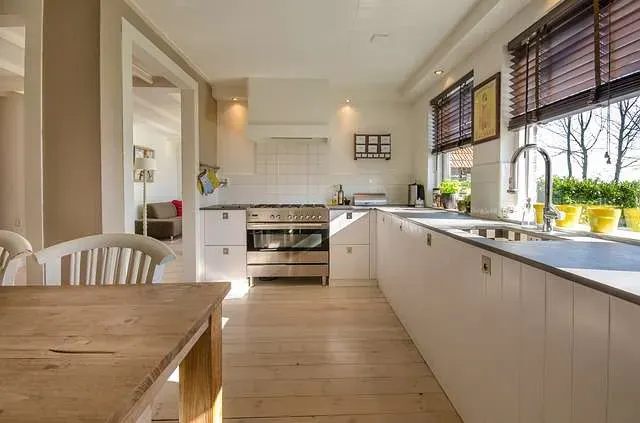
A room that is smaller than 150 square feet will require a 1-ton air conditioner to provide sufficient cooling. A room that is between 150-180 square feet will need a 1.5-ton air conditioner. A room that is bigger than that will require a 2-ton A/C. Getting the size right is crucial. This optimizes performance and helps to cut costs.
Purchasing a unit that uses less energy to cool your interiors is ultimately what you’re looking for. You have to look at the A/C’s EER which stands for the “Energy Rating Efficiency.” The higher the rating, the better. This means that your A/C won’t guzzle energy and leave your rooms cold and uncomfortable.
To decide this, you must look at your home’s ductwork and air handler system. For instance, a central air conditioner sends the cool air via the air handler on your furnace and then into your ductwork. After which, it is carried to the remainder of your house. A ductless unit utilizes thin cables that sit between the condenser and a box on your wall. That is, no ductwork is involved and no vents are required on the floor.
Irrespective or the air conditioner’s model and type, you have to pay attention to IAQ (Indoor Air Quality). The unit must have a great dehumidifier that brings down humidity levels while cooling the air. This greatly elevates your overall comfort levels. You will need to inspect the filter and make sure it’s up to par. A well-performing filter cools better and prevents the evaporator from getting clogged with dust.
Did you know – How your air conditioner performs hugely depends on its installation. This is why it’s recommended that you get your A/C installed by an authorised dealer or HVAC professional. Your technician will also inform you of the basic precautions you must take to clean and maintain your A/C. After installation, it’s advisable to get your unit serviced at least once every quarter.
This one is a no brainer but we thought we’d throw it in here just in case! Pick a unit that runs quietly and smoothly. Anything that emits between 19-60 decibels of noise is ideal. It’s also crucial to keep an eye on the cooling speed. If the thermostat offers two fans and variable speeds, you have the option of choosing a different setting for different hours of the day.
You need an A/C that comes with the right insulation materials with clear instructions. This will help you seal the area around the unit properly and reduce leakages.