 Work Time
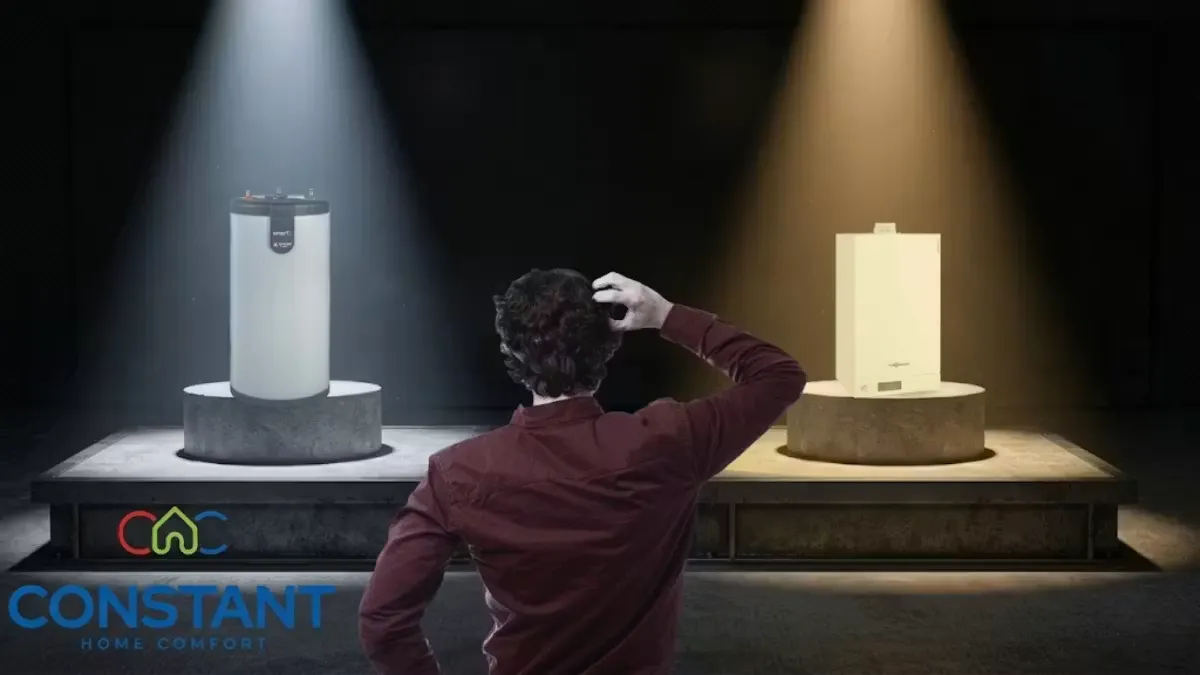
Typical turnkey prices for a new gas condensing boiler in the GTA run roughly $8,000–$15,000. The boiler unit alone (for a high-efficiency condensing model) can be several thousand dollars, depending on brand and capacity. Constant Home Comfort does not list retail prices online, but industry sources indicate installed costs start around $7,000 for smaller systems and can exceed $12,000 for larger or combi setups. Averages cited by Enercare (an Ontario provider) are about $11,750 including unit and standard installation. CHC’s own blog notes “$7,000 to $10,000 on boiler removal, purchase, and installation” for replacement jobs (noting CHC claims to be competitive).
Key factors affecting the price: the boiler’s AFUE rating and fuel type (natural gas vs propane/oil), whether it’s a combi (space + DHW) or heating-only boiler, and installation complexity (space constraints, venting, multi-zone controls). For example, a wall-mounted condensing combi (Viessmann or Navien) may be more compact but pricier than a floor-standing conventional boiler.
Boiler warranties vary by brand. Navien condensing boilers feature one of the longest warranties in Canada: 15 years on the heat exchanger (with additional parts coverage). Viessmann Vitodens condensing boilers typically carry 10-year parts and 10-year heat exchanger warranties (as stated by CHC). Bosch Greenstar boilers also have 10-year heat-exchanger warranties, and Rinnai combi models often offer 5–7 years. CHC states their boilers “come with a strong warranty – 10 years” on heat exchangers.
Regular service plans can extend equipment life. CHC offers maintenance agreements similar to their furnace plans; high-tier warranty extensions are occasionally available (e.g. Energy Star-qualified models may unlock longer warranties). Always confirm with the dealer: some warranties require professional annual servicing to remain valid.
Beyond the boiler itself, installation costs can add up. Key drivers include:
- Labor & Time: Complex retrofit work (removing old boilers, working in tight spaces) can take several days. Rates in the GTA can be $100–$150/hr or more.
- Vent and Chimney: Switching from non-condensing to condensing boiler may require installing PVC venting and a condensate drain (or updating chimney liners for non-condensing boilers), which increases material and labor costs.
- Condensate Drain: Condensing boilers produce acidic condensate that needs a neutralizer or special drain line, adding plumbing work and materials.
- Controls and Zoning: Adding smart thermostats or multi-zone control valves/pumps for different floors raises parts and installation time. A simple single-zone boiler is cheaper to wire up than a multi-zone system.
- Permits and Upgrades: Gas boilers require permits; upgrading gas lines or adding an expansion tank/pressure relief valve (if not present) can add to cost. Any electrical work (for ignition controls or Wi-Fi thermostats) also adds expense.
- Home Size/Load: Larger homes needing bigger boilers cost more. Also, additional radiators or new piping for hot-water loops will raise costs.
Example: upgrading to a high AFUE condensing boiler often means $500–$1,500 extra just for the new venting and condensate plumbing. Adding hot-water zones can easily add 1–2k in parts and labor. (CHC encourages consultation: variables like house layout are unpredictable, so they likely provide custom quotes rather than flat pricing.)
Boilers are a big investment, so many companies (including CHC) offer financing. Current promotions often include 0% financing for 1 year (OAC), or low-interest loans over several years. For example, Enercare advertises programs with no money down and $0 repairs (even a “free install” perk) for boiler rentals. CHC partners with lenders (via Financeit, etc.) to provide low-rate payment plans (we assume some standard 0–9% options, specifics unspecified).
Canadian homeowners should also seek energy rebates. Ontario/Canadian programs frequently rebate high-efficiency gas boilers (e.g. $500–$1000) if replacing an old unit. Utility and government rebates change yearly; CHC highlights Energy Star rebates and GreenON incentives. Enercare mentions “Government and utility provider incentives and rebates” for high-eff upgrades. (Exact amounts depend on program year and model; assume up to $1000+ might be available.)
As in heating systems generally, you have the choice to buy or rent a boiler. Buying (financing or outright) means you own the unit and pay for maintenance. Renting (through companies like Enercare) means a monthly fee. Enercare’s model charges “no money upfront” and includes all repairs at no extra cost. CHC does not advertise a boiler rental program specifically, but customers should weigh: Buying has higher immediate cost but the boiler is yours after, often with financing. Renting spreads cost, usually with $0 maintenance costs, but you pay indefinitely (CHC notes rental deals are common in the heating industry).
Purchasing your own boiler (with or without financing) typically costs less total over the long term, since once you pay off the boiler, costs drop to fuel and occasional maintenance. You also build equity in the equipment. However, a rented boiler may suit those who want predictable monthly payments and worry-free maintenance. CHC usually emphasizes buying high-quality equipment (their boiler offerings have high AFUE and strong warranties). Homeowners should compare: if you plan to stay 10+ years in the home, owning often saves money; for temporary living situations, rental could be an option (pending availability). In either scenario, CHC can install and service the boiler.