 Work Time
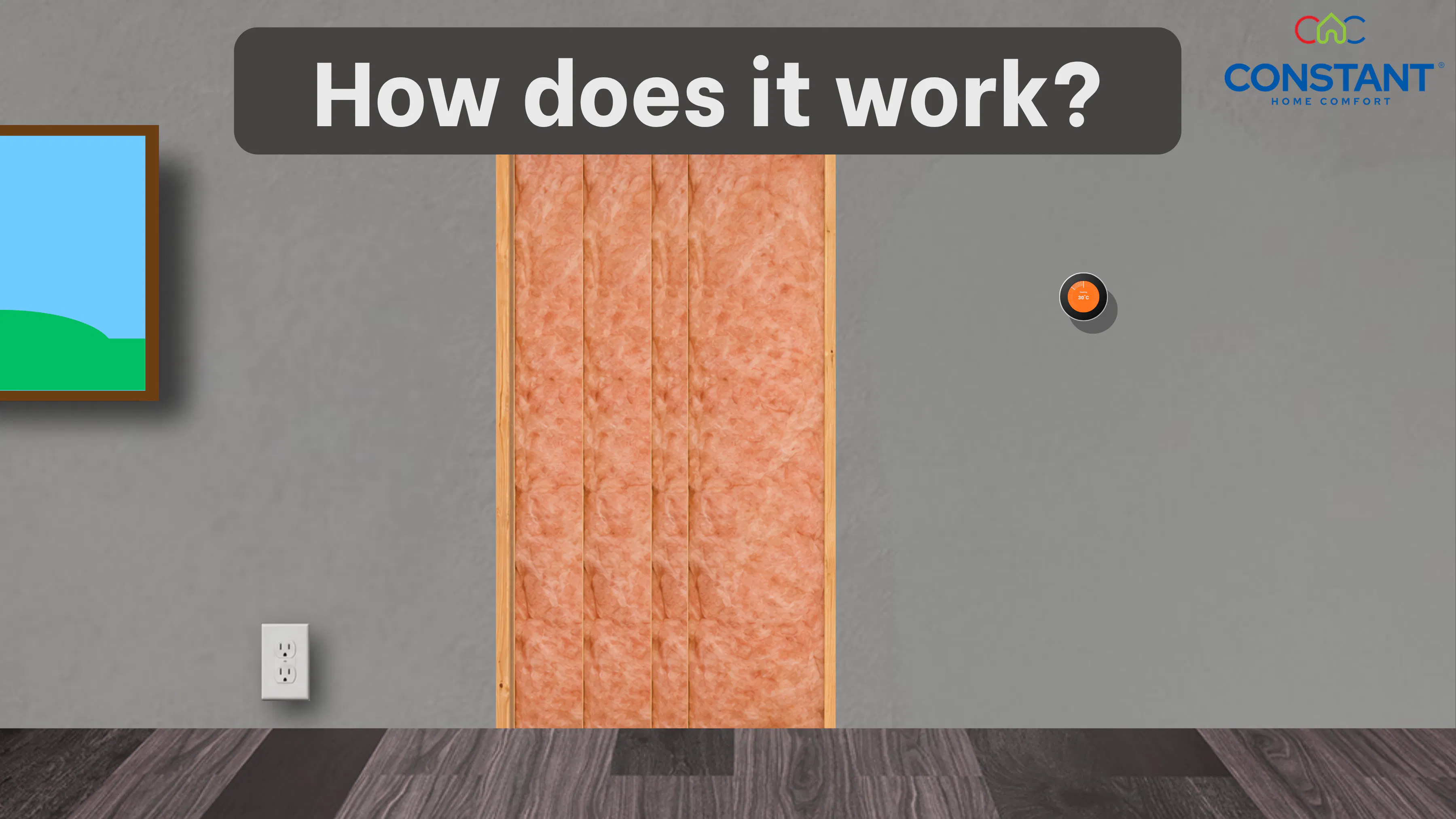
Your basement is one of the biggest sources of heat loss in a Canadian home — and most homeowners never think about it. In Ontario's climate, where temperatures regularly drop well below freezing, an uninsulated or poorly insulated basement can account for up to 25% of your total home heating loss. Understanding how basement insulation works is the first step toward a warmer, more energy-efficient home and lower monthly utility bills.
This guide walks you through the science behind basement insulation, the most effective types for Ontario homes, and what you need to know before booking an installation.
Basement insulation works by creating a thermal barrier between the cold ground and your living space. Heat naturally moves from warmer areas to cooler ones — and in winter, that means the warmth inside your home is constantly trying to escape through your basement walls, floor, and rim joists.
Insulation material slows this heat transfer by trapping tiny pockets of air (or gas) within its structure. The more resistant a material is to heat flow, the higher its R-value — the standard measurement used across Canada to rate insulation effectiveness. The higher the R-value, the better the insulation performs.
In Ontario, building code requirements for basement insulation typically call for a minimum R-20 in finished basement walls, though homes in colder regions or those seeking maximum energy efficiency often benefit from R-24 or higher.
Effective basement insulation addresses several key areas:
Basement Walls (Interior or Exterior)
The most common approach is insulating the interior of your basement walls using rigid foam board or batt insulation between studs. Exterior foundation insulation is also an option during major renovations and offers excellent moisture protection, but it requires excavation and is typically only done during new construction or large-scale retrofits.
Rim Joists
The rim joist — the framing member that sits on top of your foundation wall — is one of the most significant air leakage points in any home. Cut-and-cobble rigid foam or two-part spray foam are both excellent choices for sealing and insulating rim joists. This is one of the highest-ROI improvements you can make.
Basement Floor
Although less common in existing homes due to the cost and complexity of raising the floor height, basement floor insulation — typically rigid foam board installed under a subfloor — dramatically improves comfort in finished basements and eliminates cold floors in winter.
Choosing the right insulation type depends on your basement's current condition, moisture levels, and your budget. Here are the main options used in Ontario homes:
Spray Foam Insulation
Spray polyurethane foam (SPF) is widely regarded as the top-performing option for basements. Available in open-cell and closed-cell formulas, spray foam expands to fill every crack and gap, providing both insulation and an air seal in a single application.
- Closed-cell spray foam: Offers the highest R-value per inch (approximately R-6 to R-7 per inch), acts as a vapour barrier, and is highly moisture-resistant. Ideal for Ontario's freeze-thaw climate.
- Open-cell spray foam: More affordable, excellent sound dampening, but requires a separate vapour barrier and has a lower R-value (approximately R-3.5 per inch).
Rigid Foam Board Insulation
Rigid foam panels (EPS, XPS, or polyisocyanurate) are a popular and cost-effective choice for insulating basement walls and rim joists. They are easy to cut, widely available, and perform well in cold climates. XPS (extruded polystyrene) in particular offers strong moisture resistance and an R-value of approximately R-5 per inch.
Batt Insulation (Fiberglass or Mineral Wool)
Fiberglass and mineral wool batts are familiar to most homeowners and are often used to fill stud cavities in framed basement walls. They are affordable and DIY-friendly, but they do not provide air sealing on their own and can absorb moisture if not properly vapour-managed. They perform best when combined with a rigid foam layer against the foundation wall.
A properly insulated basement delivers tangible, year-round savings. Here's how:
- Reduces heat loss through walls and rim joists, keeping your furnace from working as hard
- Prevents cold air infiltration that makes floors and lower levels uncomfortable
- Allows your heating and cooling system to maintain consistent temperatures more efficiently
- Reduces the risk of condensation and moisture damage, which can compromise insulation performance over time
- Improves overall home energy rating, which can increase resale value and qualify your home for Ontario green energy rebates
Many Ontario homeowners who upgrade basement insulation as part of a full home energy retrofit report annual heating cost reductions of 15–25%, depending on their home's previous condition and the extent of the work performed.
One of the most important — and most misunderstood — aspects of basement insulation in Ontario is moisture control. Basements are naturally damp environments, and insulation installed incorrectly can trap moisture inside walls, leading to mould, rot, and structural damage.
A vapour barrier (typically a 6-mil polyethylene sheet) is often required on the warm side of the insulation (facing the interior) to prevent interior moisture from migrating into the wall assembly. However, placement depends heavily on which type of insulation is used and whether the insulation itself acts as a vapour retarder. Closed-cell spray foam, for example, often eliminates the need for a separate vapour barrier.
Building code compliance and proper moisture management are non-negotiable in Canadian climate zones. This is why professional installation is strongly recommended over DIY approaches — getting the vapour control layer wrong can cost far more to fix than the initial installation savings.
Homeowners in Ontario may be eligible for significant rebates when upgrading basement insulation as part of a broader home energy efficiency retrofit. Programs such as the Canada Greener Homes Grant and Enbridge's Home Efficiency Rebate Plus (HER+) offer financial incentives for qualifying insulation upgrades — in some cases covering a substantial portion of your project cost.
To access most rebate programs, you'll need a pre- and post-retrofit home energy audit conducted by a registered energy advisor. Constant Home Comfort can guide you through the rebate qualification process and help ensure your basement insulation upgrade meets the requirements for maximum incentive eligibility.
Not sure if your current insulation is performing? Watch for these warning signs:
- Cold floors or drafts on the main floor directly above the basement
- High heating bills that seem disproportionate to your home's size
- Visible condensation or moisture on basement walls
- Insulation that appears thin, compressed, or damaged
- An older home (pre-1980s) that has never had a basement insulation upgrade
- Ice damming at the roofline or frozen pipes in winter, which can indicate broader thermal envelope issues
At Constant Home Comfort, we've helped thousands of Ontario homeowners improve their home's thermal envelope — starting from the basement up. Our certified insulation specialists assess your basement's current condition, recommend the right insulation type and R-value for your home and budget, handle all code-compliant installation, and help you navigate available rebate programs.
Whether you're finishing your basement, preparing for a major renovation, or simply looking to reduce your heating bills this winter, our team is ready to help.
Ready to insulate your basement the right way? Call us at 1 (888) 675-5907 or book a free in-home assessment online. Our team serves homeowners across Toronto, the GTA, Hamilton, Ottawa, and all of Ontario.
How much does basement insulation cost in Ontario?
The cost of basement insulation in Ontario varies depending on the size of your basement, the insulation type chosen, and whether the walls are finished or unfinished. Spray foam installations typically cost more than rigid foam or batt insulation but deliver the highest performance. Most homeowners can expect to invest between $2,000 and $8,000+ for a full basement insulation upgrade, before applicable rebates.
Can I insulate my basement myself?
While some homeowners do tackle DIY batt insulation projects, basement insulation in Ontario involves building code requirements, vapour barrier placement rules, and air sealing techniques that are difficult to get right without experience. Improper installation can void rebate eligibility and lead to moisture problems. Professional installation is strongly recommended.
How long does basement insulation last?
High-quality insulation materials such as rigid foam and closed-cell spray foam can last the lifetime of your home when properly installed and protected from physical damage. Fiberglass batt insulation can degrade faster if exposed to moisture. Regular inspection as part of your home energy maintenance routine is a good practice.
Does basement insulation help with soundproofing?
Yes — certain insulation types, particularly open-cell spray foam and mineral wool batts, offer excellent acoustic properties in addition to thermal performance. If soundproofing is a priority (for example, in a basement home theatre or music room), be sure to discuss this with your installer when selecting materials.
What R-value do I need for my Ontario basement?
Ontario's building code requires a minimum of R-20 for basement walls. However, for maximum energy efficiency and rebate eligibility under programs like Canada Greener Homes, higher R-values are recommended. Your Constant Home Comfort advisor will recommend the right target R-value based on your home, climate zone, and goals.