 Work Time

Cold Climate Heat Pumps in Ontario: Do They Really Work When It Drops Below -15°C?
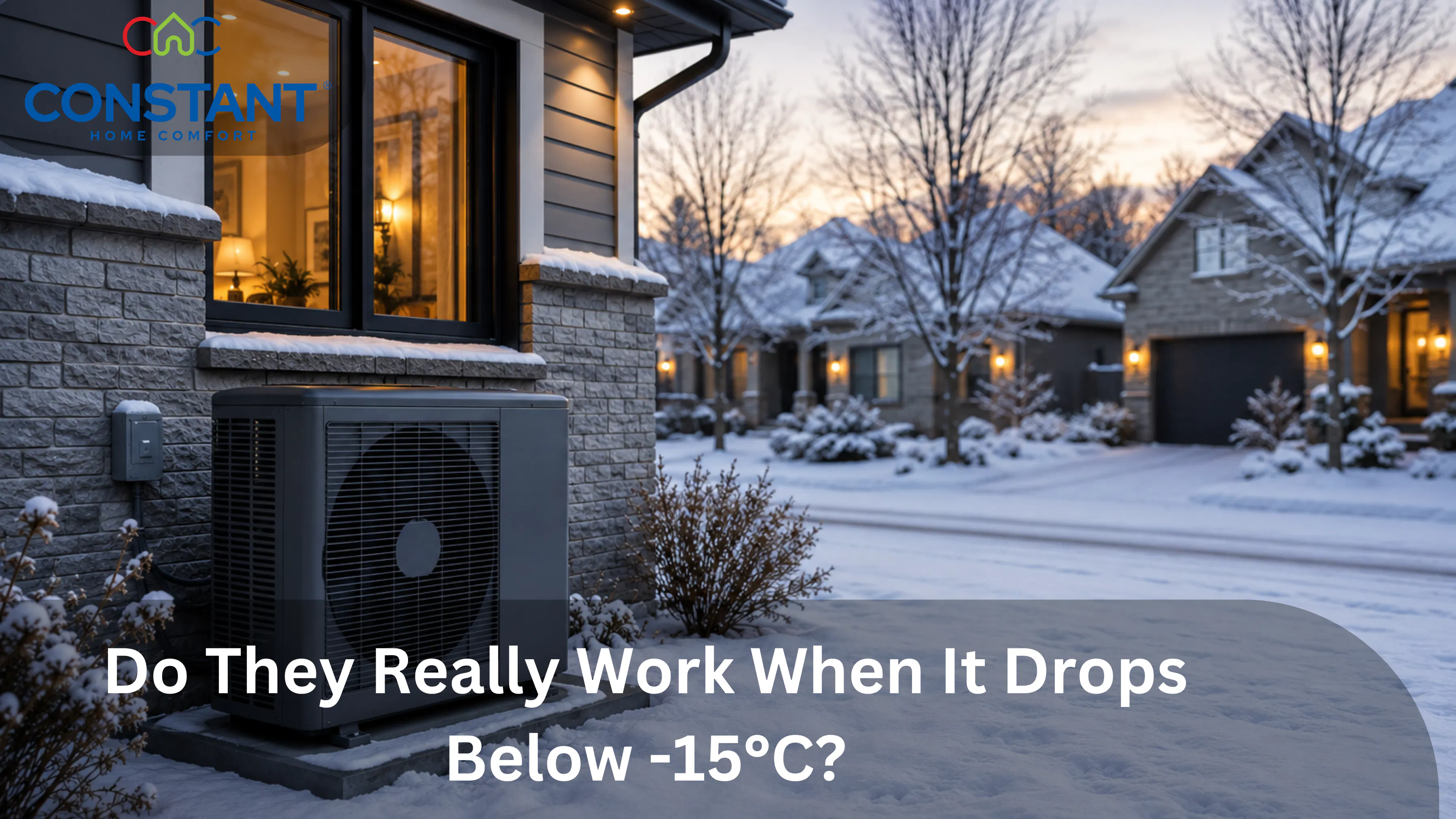
If you live in Ontario, you have probably noticed a massive shift in how we talk about home heating. Between the steady climb of the federal carbon tax, local green initiatives, and a constant stream of government rebate ads, more homeowners are looking at trading their old gas or oil furnaces for electric heat pumps. But let's be honest for a second. When you are shivering through a brutal January cold snap, you do not care about green trends or carbon footprints. You care about staying warm without draining your bank account.
The biggest question on everyone's mind is highly practical: can a cold climate heat pump actually keep a Canadian home warm when the temperature drops below minus 15°C?
The short answer is yes. The long answer depends on where you live. If you are in colder, snow heavy zones like Ottawa, Kanata, or Newmarket, winter is a completely different beast than it is for someone in Waterloo, London, or Barrie. Meanwhile, if you are in the Greater Toronto Area, including Scarborough, Mississauga, Vaughan, Richmond Hill, Markham, or Durham, you have to deal with moisture rich freezing rain and damp cold that behaves differently than dry interior winters.
To really understand if this technology works when the deep freeze sets in, we have to look past the sales pitches and look at real world winter performance.
How Modern Systems Pull Heat Out of Thin, Freezing Air
To understand how a heat pump works in freezing weather, we first have to throw out the old way of thinking about heating. A traditional natural gas furnace works by burning fuel to create raw heat. Even the most advanced high efficiency gas furnaces are physically capped at less than 100% efficiency because they can only release the energy stored within the gas itself.
A heat pump does not create heat. Instead, it uses electricity and a specialized refrigerant to absorb existing heat from the outdoor air and move it indoors. Even when it feels bitterly cold outside at minus 15°C or even minus 25°C, there is still an immense amount of molecular heat energy floating around in the atmosphere.
Older heat pumps from a decade ago definitely struggled in Canadian winters, often losing their heating ability or shutting down entirely once it hit minus 10°C. However, modern cold climate systems are engineered with three major technological upgrades that make below zero heating a reality.
Variable Speed Inverter Compressors. Traditional heating systems are either fully on or fully off. A variable speed compressor behaves more like a dimmer switch. On milder autumn days, it runs quietly at low speeds to save energy, but when a deep freeze hits, it automatically ramps up to maximum power to pull every bit of available warmth from the thin winter air.
Enhanced Vapor Injection. In extreme cold, the flow of refrigerant slows down. Modern cold climate systems inject a small boost of vapor directly into the compressor. This keeps the refrigerant moving quickly and allows the system to pump high temperature air into your home even when the outdoor unit is surrounded by snow.
Intelligent Defrost Cycles and Basepan Heaters. Moisture and freezing temperatures create frost on outdoor equipment. Modern units use smart sensors to run quick, automated defrost cycles that melt ice before it can block airflow, while built in heating elements keep the bottom of the unit clear so ice does not build up and damage the fan.
Efficiency and Capacity as Temperatures Drop
Here is how a heat pump's efficiency and heating capacity change as the outdoor temperature falls:
- Mild autumn or spring days, around 8°C: The system operates at peak performance, delivering about 350% to 450% efficiency (a Coefficient of Performance, or COP, of 3.5 to 4.5). This means you get up to four times the heat output for every dollar of electricity you pay for.
- Standard freezing winter days, around minus 5°C: Efficiency remains incredibly strong, running at 250% to 300% (a COP of 2.5 to 3.0), easily outperforming any traditional furnace.
- Moderate cold snaps, around minus 15°C: The heat pump continues to run at 180% to 220% efficiency (a COP of 1.8 to 2.2). Crucially, it still maintains 90% to 100% of its full heating capacity to keep your home comfortable without needing help.
- Extreme deep freezes, down to minus 25°C: Even in a severe freeze, a cold climate unit keeps working, operating at 130% to 160% efficiency (a COP of 1.3 to 1.6) and retaining about 70% to 85% of its heating capacity.
Real World Performance When the Temperature Plummets
In the real world, how well a heat pump keeps your home warm depends on where you live. In Ottawa and Kanata, winter design temperatures are much harsher than they are in the Greater Toronto Area. While a basic, standard heat pump would fail here, certified cold climate units are rated to operate continuously down to minus 25°C, and premium models can keep running all the way down to minus 30°C.
When the temperature drops past minus 15°C, a high quality cold climate system does not just stop working or freeze up. Instead, it gradually loses some of its heating capacity as your home loses heat faster through its walls and windows.
Because a certified cold climate unit retains almost all of its heating output at minus 15°C, it will keep you perfectly warm on its own during a typical winter day. If the temperature drops below minus 25°C on a record breaking cold night, the heat pump may finally need a bit of support. To bridge this gap, systems use a backup heating source, either electric heat strips built into the indoor unit, or your existing gas furnace in a hybrid configuration.
Why a Hybrid "Dual Fuel" Setup Is the Ultimate Ontario Solution
For many homeowners across Ontario, especially those with a reliable natural gas connection in Mississauga, Vaughan, Richmond Hill, Markham, Scarborough, Hamilton, Burlington, or Durham, the dual fuel hybrid setup is the absolute sweet spot. This system combines an electric cold climate heat pump with a high efficiency gas furnace, using a smart thermostat to automatically switch between them depending on the weather.
This hybrid system operates seamlessly to keep your energy bills low:
- Moderate winter conditions, from above freezing down to minus 15°C: The electric heat pump handles 100% of the work. It heats your home quietly and cleanly, capitalizing on its high efficiency to keep your carbon footprint light.
- Extreme cold snaps, below minus 15°C: When the temperature drops to the point where electricity is no longer the most cost effective heating method, the smart thermostat automatically turns off the heat pump and turns on the gas furnace. The furnace delivers a high output blast of warmth to easily handle the freeze.
By letting the gas furnace take over the heaviest lifting on the coldest nights, you protect the heat pump from mechanical wear and tear, save on hydro during peak times, and make sure your home stays warm no matter how cold it gets outside.
The Economics: Balancing Utility Bills and the Carbon Tax
Deciding whether a heat pump makes sense for you financially comes down to comparing the efficiency of the equipment with local energy rates. The federal carbon tax is scheduled to rise to $170 per tonne of CO2 by 2030, which applies directly to fossil fuels like natural gas, propane, and heating oil. The electricity used to power a heat pump is completely exempt from this tax, making clean energy highly attractive.
With Enbridge natural gas rates sitting around $0.31 to $0.33 per cubic meter all in, a cold climate heat pump is highly competitive with a gas furnace. If you live in a rural or semi rural area near London, Waterloo, or Barrie and rely on expensive propane or heating oil, switching to a heat pump is an absolute game changer, often cutting your heating bills by 40% to 70%.
Here is how annual heating costs shake out for a typical 2,000 square foot Ontario home, depending on the system type:
- Heating oil furnace: By far the most expensive way to heat an Ontario home. Burning 2,000 to 2,500 litres of oil annually costs between $2,600 and $4,000.
- Propane furnace: Sits slightly below oil but is still incredibly expensive. Burning 2,500 to 3,000 litres of propane per year costs between $2,000 and $3,200.
- Electric baseboards: Running direct resistance heating is highly inefficient because it has a COP of 1.0. This translates to high electrical draw, costing between $1,680 and $1,920 or more annually.
- Mid efficiency gas furnace: Running at roughly 80% seasonal efficiency, heating your home with gas averages between $1,600 and $2,000 per year.
- High efficiency gas furnace: Running at 96% efficiency, heating costs drop to between $1,200 and $1,500 annually.
- Hybrid heat pump with gas furnace backup: Balancing both systems results in a massive drop in fossil fuel consumption, bringing annual bills down to between $900 and $1,300.
- Fully electric cold climate heat pump: Thanks to an outstanding average seasonal efficiency of 250%, running a full heat pump averages between $700 and $1,100 per year, making it the most affordable heating method in Ontario.
If you live in Durham Region, Oshawa, Whitby, or other communities on Time of Use or Ultra Low Overnight electricity plans, you can save even more. By setting your thermostat to heat your home during cheaper overnight windows, your overall winter running costs can drop significantly.
Navigating Ontario's 2026 Rebate Programs
The upfront cost of a cold climate heat pump can be quite high, but provincial and federal programs can help cover a massive chunk of the bill. The primary incentive program in Ontario is the Home Renovation Savings Program (HRSP), which is delivered through a partnership between Save on Energy, Enbridge Gas, and the Government of Ontario.
The HRSP offers two distinct pathways for homeowners to claim their money:
The Bundled Upgrade Pathway (Path A). This option requires you to hire a registered EnerGuide energy advisor to complete a home assessment both before and after the upgrade. You must complete at least two qualifying upgrades, such as adding attic insulation alongside your new heat pump. This is highly recommended for older homes in Newmarket, Barrie, or Waterloo to seal air leaks first, qualifying you for up to $7,700 for insulation and a $600 rebate to cover the energy audit.
The Standalone Single Upgrade Pathway (Path B). If you only want to install a heat pump and skip the hassle of home audits, this streamlined pathway is for you. You do not need any energy assessments, saving you time and upfront costs.
Your standalone rebate amount under Path B is determined by your home's primary heating source and the capacity of the new unit:
- Electrically heated, propane, or oil homes: You qualify for $1,250 per ton of installed heating capacity, up to a maximum rebate of $7,500. For rural oil heated properties, you can stack this with the federal Oil to Heat Pump Affordability program, which can bring your total incentives to between $15,000 and $22,500, often covering the entire installation cost.
- Natural gas heated homes, Enbridge customers: You qualify for $500 per ton of installed capacity, up to a maximum rebate of $2,000. This makes upgrading an old central air conditioner to a dual fuel hybrid heat pump incredibly affordable.
- Ground source geothermal systems, Enbridge customers: Homeowners switching to geothermal qualify for a flat rate rebate of up to $3,000.
- Ground source geothermal systems, non gas homes: Properties using electricity, oil, propane, or wood qualify for $2,000 per ton of capacity, up to a massive maximum rebate of $12,000.
- Standalone attic insulation: If you only want to upgrade your insulation without an audit, you can receive up to $1,250.
- Smart thermostat: Upgrading to an eligible smart thermostat can get you a quick standalone rebate of up to $100.
Make sure you keep an eye on program deadlines. New HVAC contractors must register for the HRSP by May 31, 2026, and overall program funding is currently confirmed through November 30, 2026. Because processing applications and getting your rebate check can take three to six months, starting your upgrade early is highly recommended.
Choosing the Right Equipment and Sizing Your System
Finding the right equipment is absolutely vital to ensuring your heat pump handles severe below zero weather. Several leading cold climate brands are highly recommended for Ontario homes:
- Mitsubishi Electric Hyper Heating (H2i) / Zuba Central: The gold standard for cold climates, featuring flash injection technology that maintains 100% heating capacity down to minus 15°C and operates reliably down to minus 30°C.
- GREE FLEXX: Known as a cold climate workhorse, the GREE FLEXX is designed to easily handle freezing winters in Ottawa, Kanata, and Newmarket. Its side discharge design is exceptionally quiet, running as low as 45 dB(A). This makes it perfect for tight suburban lot lines in Markham, Richmond Hill, and Vaughan.
- Bosch IDS 2.0: A highly reliable system with a variable speed inverter compressor that maintains excellent operating efficiency and reliable heat down to minus 25°C.
- Carrier Infinity with Greenspeed Intelligence: Ideal for larger homes with existing ductwork, this system modulates across hundreds of stages to provide precise temperature control, excellent summer dehumidification, and steady heating down to minus 25°C.
While choosing a great brand is important, system performance relies heavily on professional installation and sizing. Unlike furnaces, which can be sized using simple rules of thumb, heat pumps are highly sensitive to your home's layout and ductwork. An oversized unit will turn on and off too frequently, known as short cycling, which wears out parts and ruins humidity control, while an undersized unit will force you to rely too heavily on expensive backup heat.
Before installing any system, a licensed HVAC contractor should perform a room by room Manual J load calculation. This calculation looks at your home's total square footage, insulation quality, window ratings, and air leaks to determine the exact heating and cooling load at your local winter design temperature.
As a trusted HVAC installer serving Ontario since 2008, Constant Home Comfort specializes in cold climate heat pump installations. Based in Markham with regional offices in Waterloo and London, and serving homeowners from Ottawa and Kanata to Mississauga, Scarborough, Richmond Hill, Vaughan, Newmarket, Durham, Hamilton, Burlington, and Barrie, the company has earned the prestigious Lennox Centurion Award, placing them in the top 2% of Lennox dealers in North America.
To make upgrading your home easy and affordable, Constant Home Comfort manages the entire rebate application process for you, sources equipment directly from suppliers to secure low prices, and offers flexible financing plans with $0 down and 0% interest on approved credit.
Action Plan for Ontario Homeowners
If you are thinking about upgrading to a cold climate heat pump, here are the steps you should take:
- Insulate first. Before buying a heat pump, consider upgrading your attic insulation and sealing air leaks. Improving your home's building envelope reduces your overall heating load, which can allow you to install a smaller, less expensive heat pump system.
- Pick the right configuration. If you currently heat with electricity, oil, or propane, a standalone cold climate heat pump will offer the biggest energy savings and qualify for the maximum $7,500 rebate. If you heat with natural gas, a hybrid dual fuel system is often the most practical choice, combining electric efficiency on most winter days with a gas furnace backup for the coldest nights.
- Demand a load calculation. Ensure your chosen HVAC contractor performs a professional heat loss calculation before writing up a quote. This is the only way to guarantee your system is sized correctly for your home.
- Verify eligibility. Double check that your proposed heat pump model is certified as a cold climate air source system on the Natural Resources Canada qualified products list, which is required to qualify for HRSP rebates.
- Don't wait until winter. With contractor registrations for the HRSP closing on May 31, 2026, and program funding confirmed through November 30, 2026, planning your installation early is the best way to avoid missing out on rebates.